
Welcome to PFTAC
The Pacific Financial Technical Assistance Centre (PFTAC) was established in 1993 to promote macro-financial stability in the Pacific Island countries (PICs) through a focused program of technical assistance, training and Capacity Development. PFTAC was the first of the International Monetary Fund (IMF) regional technical assistance centers, representing a collaborative venture between the IMF, the member countries, and bilateral donor partners. The goal of PFTAC is to strengthen the institutional capacity of Pacific countries to design and implement sound macroeconomic and financial policies. Macroeconomic and financial stability, in turn, are essential underpinnings for sustainable economic growth and the achievement of Sustainable Development Goals.
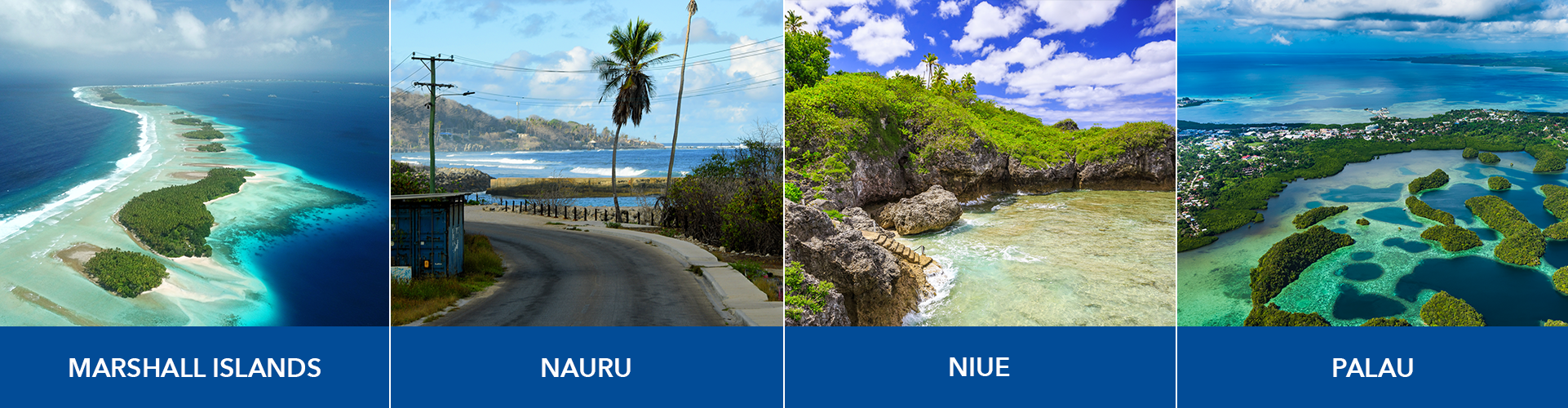
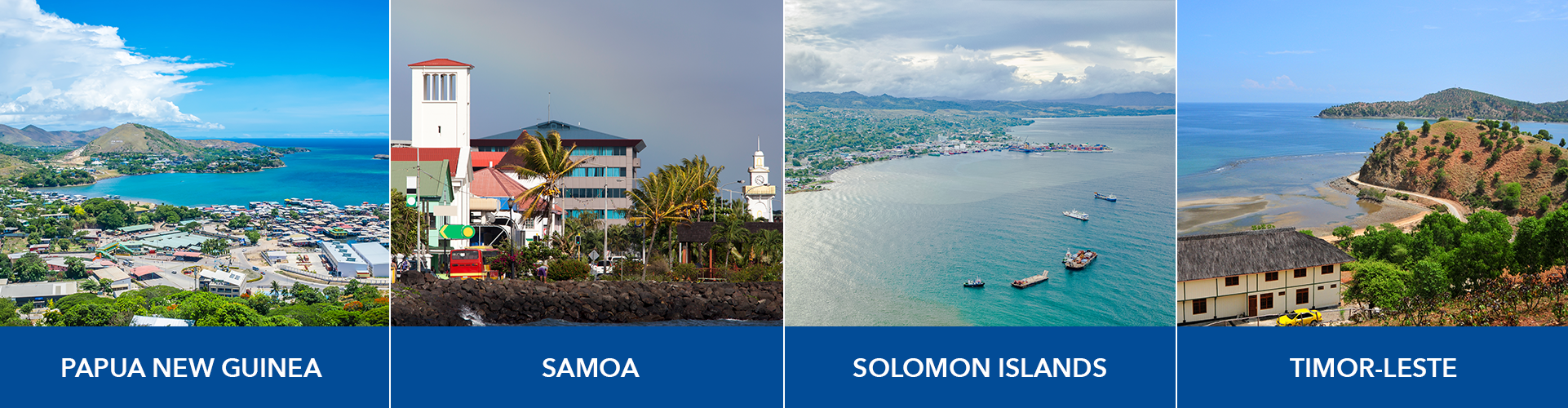
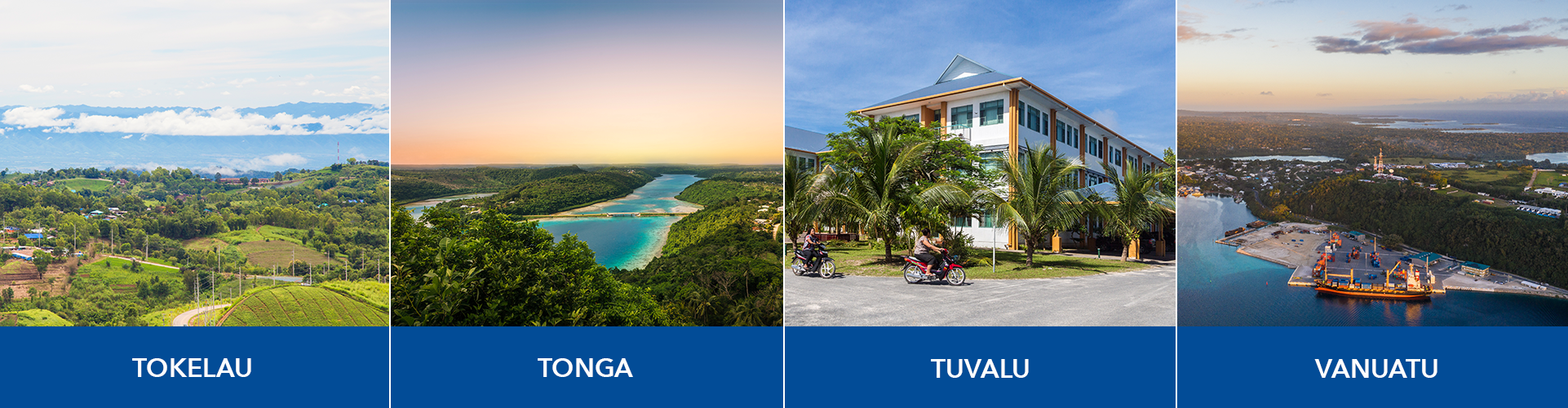
PFTAC assistance is provided to sixteen PICs. These comprise 13 members of the IMF, including Federated States of Micronesia (FSM), Fiji, Kiribati, Nauru, Palau, Papua New Guinea (PNG), Republic of the Marshall Islands (RMI), Samoa, Solomon Islands, Timor-Leste, Tonga, Tuvalu and Vanuatu, plus the Cook Islands, Niue and Tokelau.
What's New
PFTAC Quarterly Report ; Q3 (November 2024-January 2025)
PFTAC Vacancy - Administrative Assistant Position
Capacity Development
FY2025 Baseline Workplans - Programs
FY2025 Baseline Workplans - Countries
FY2024 Outturn Workplans - Countries
FY2024 Outturn Workplans - Programs
PFTAC Donors & Development Partners
FY24 Baseline Workplans - By TA Sectors
FY24 Baseline Workplans - By Countries
Baseline Workplans
Annual Reports
Development Partners

Donors



 |
Members
 |
The Cook Islands | |
 |
Fiji | |
 |
Kiribati | |
 |
Marshall Islands |
 |
Micronesia | |
 |
Nauru | |
 |
Niue | |
 |
Palau |
 |
Papua New Guinea | |
 |
Samoa | |
 |
Solomon Islands | |
 |
Timor-Leste |
 |
Tokelau | |
 |
Tonga | |
 |
Tuvalu | |
 |
Vanuatu |
